
Related article
What does rehabilitation after knee replacement involve?
A step-by-step overview of the recovery process, from the first days after surgery to getting back to everyday life.
Read Article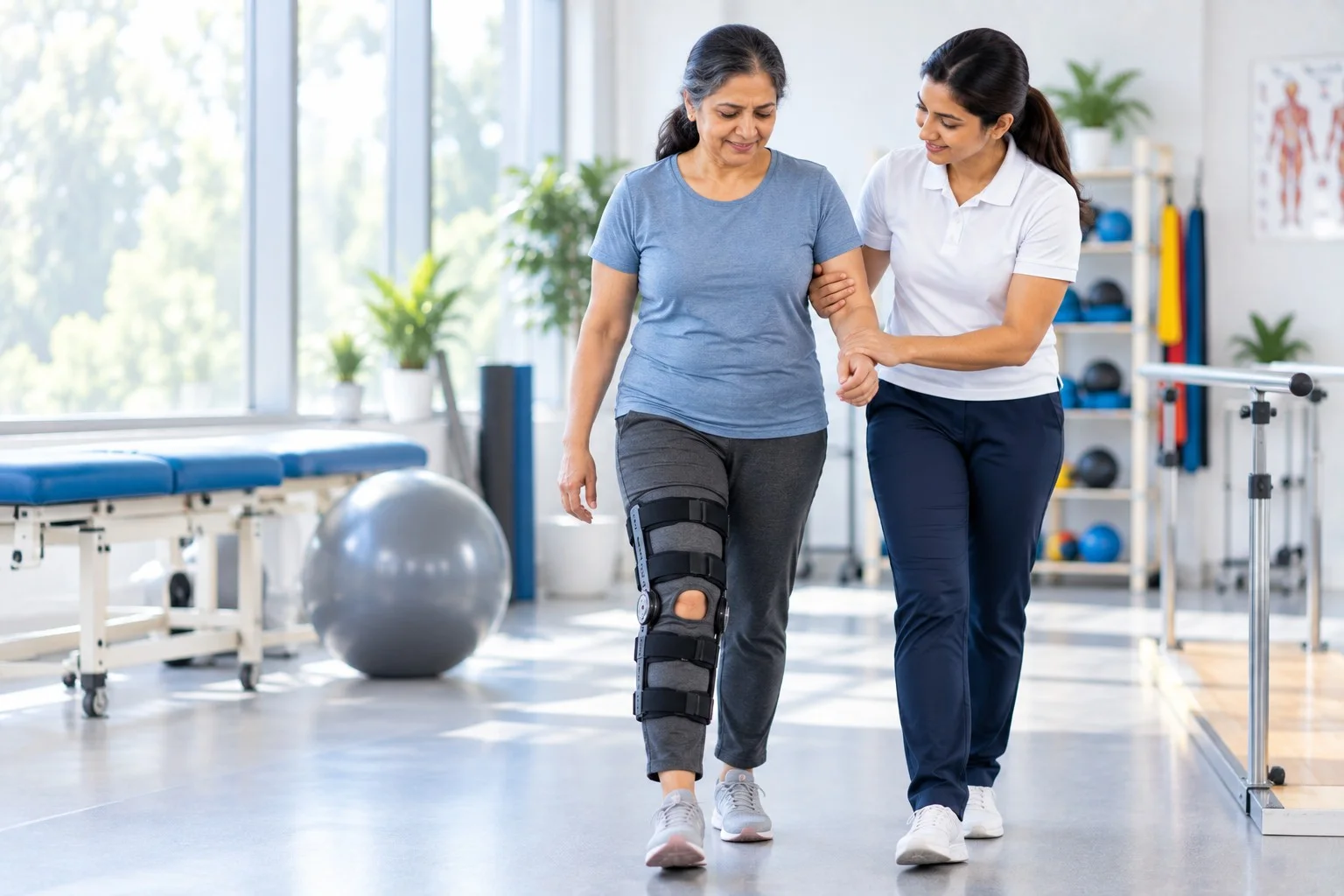

360°Carearoundyou
Conditions we treat
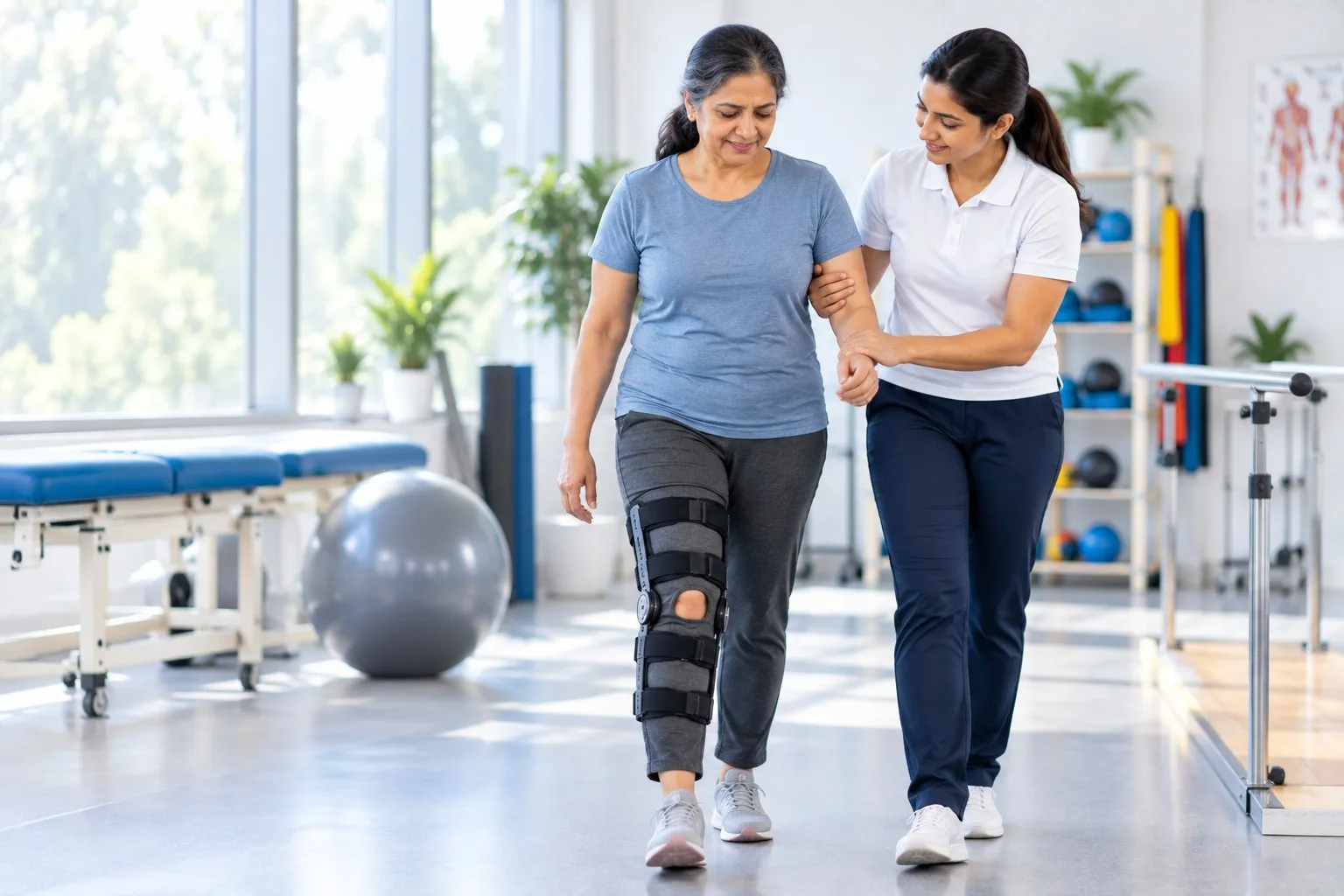
After surgery, guided rehabilitation helps you regain movement and strength safely, following your surgeon’s advice at every stage.
Book an AssessmentUnderstand the symptoms
Post-Surgery Recovery can feel different for everyone. You may experience one or more of the following:
Limited movement in the operated joint.
Normal after surgery, but can limit progress.
Needing a frame, crutches or support.
Muscles weaken quickly after an operation.
Worry about moving or doing too much.
Why it happens
When to seek help
Early assessment and the right exercises can help reduce pain, improve movement and prevent the problem from coming back.
If you have any of these, call Rescue 1122 or go to your nearest emergency department — don’t wait for a physiotherapy appointment.
How we help
Our treatment is tailored to your symptoms, lifestyle and goals.
We review your operation notes, surgeon’s protocol and goals.
A stage-by-stage plan that protects healing.
Range of motion, strength and walking training.
Return to daily activities, work and hobbies with confidence.
Typical recovery timeline
Recovery varies from person to person. This is a typical guide, not a guarantee.
Weeks 1–2
Move safely, manage swelling and start gentle exercises.
Weeks 3–8
Strength and movement improve; walking gets easier.
8+ weeks
Back to daily activities. Timelines depend on your surgery.
Related article
A step-by-step overview of the recovery process, from the first days after surgery to getting back to everyday life.
Read ArticleFrequently asked questions
Often within days, following your surgeon’s instructions. Bring your discharge notes to your first session.
Yes. Home visits are ideal in the early weeks when travelling is difficult.
Mild discomfort is common. We’ll explain what is normal and adjust exercises to keep you safe.
No. You can book an assessment directly. If we think you need scans or a doctor’s opinion, we’ll tell you and help you arrange it.

Sameexpert care.A brightertomorrow.
Your next step